
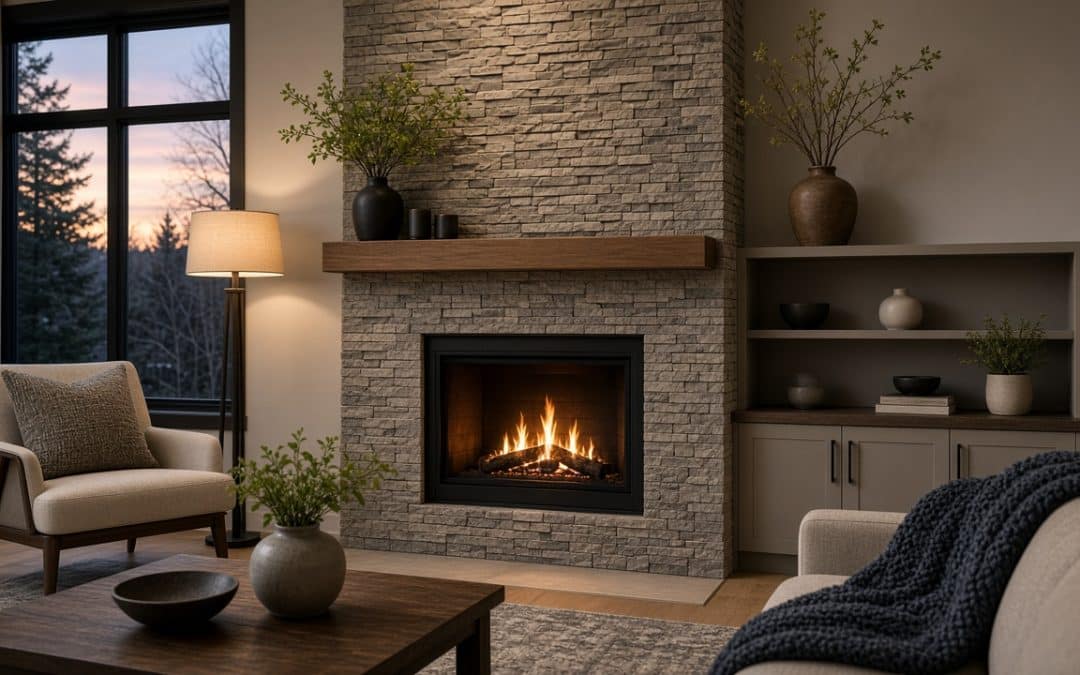
A well-designed fireplace does more than heat a room. It anchors conversation, softens long Minnesota winters, and gives your home a sense of place. Whether you are remodeling a lake home near Brainerd or updating a bungalow in Minneapolis, current design trends favor comfort, clean lines, and materials that feel warm without looking dated. This guide walks through what homeowners and designers are choosing now—and how to plan a focal point that works for years.
Why the Fireplace Still Matters in Modern Layouts
Open floor plans pushed many fireplaces to shared walls between living and dining areas. That placement makes the hearth a visual bridge: one side might face the sofa, the other a dining table or kitchen island. Trends lean toward proportion and restraint. Oversized stone columns from the 2000s are giving way to slimmer profiles, integrated media niches, and hearths that sit flush with flooring for easier cleaning and a calmer silhouette.
Function still drives form. Gas inserts and direct-vent units remain popular because they deliver reliable heat without the ash and chimney maintenance of wood in urban neighborhoods. In rural and seasonal homes, many owners keep a wood-burning option for ambiance while adding gas for everyday use. The trend is hybrid readiness: design the surround so either fuel type—or a future switch—remains possible without tearing out masonry.
Materials That Define the Look
Natural stone and thin veneer continue to dominate, but the palette has shifted. Warm grays, taupe, and mixed-width ledgestone read contemporary; heavy uniform fieldstone reads rustic. Designers often run stone only to mantel height and use paint or shiplap above to keep the room airy.
Tile offers precision. Large-format porcelain slabs mimic marble without the maintenance. Zellige and handmade tile add texture in smaller rooms where a full stone wall would feel heavy. For Minnesota humidity swings, sealed grout and quality setting materials matter as much as the tile face.
Wood mantels are back in a big way: live-edge slabs, floating shelves, and minimalist beams stained to match trim. Pairing a simple wood mantel with a neutral tile or plaster surround is one of the most requested looks in Midwest remodels.
Plaster and limewash finishes create soft, European-inspired surrounds without bulky masonry. They suit transitional and modern farmhouses and work well when you want the fireplace to feel sculpted rather than stacked.
Layout and Proportion
Trend reports often show floor-to-ceiling fire features, but in real homes the sweet spot is scaling the opening to the room. A common mistake is choosing a log set or insert that looks lost in a wide opening—or overwhelms a small den. Work from viewing distance: from the main seating area, the flame should fill roughly one-third of the visual field of the surround.
Built-in benches flanking the hearth, recessed niches for firewood or art, and low-profile hearths that double as extra seating are practical trends borrowed from hospitality design. They make the fireplace a usable zone, not just a picture on the wall.
Television placement remains a design puzzle. The trend away from mounting TVs directly above the firebox continues, because heat and neck strain are real concerns. Side-by-side layouts, motorized art panels, and short-throw projectors hidden in ceiling soffits are cleaner solutions when media is nonnegotiable.
Color, Light, and Seasonal Mood
Warm whites, greige, and charcoal surround colors dominate. Bold color returns in smaller doses: a saturated tile inset, a painted mantel in forest green or navy, or brass and black metal accents on doors and screens.
Lighting layered around the hearth extends usability. LED strips in the mantel shelf, downlights on stone texture, and dimmable sconces on adjacent walls let you shift from bright winter morning to evening firelight without relying on the flame alone. Smart controls that tie fireplace, lights, and thermostat are increasingly common in new builds around the Twin Cities and Rochester corridors.
Planning With a Local Expert
Trends are inspiration; codes, clearances, and venting rules are requirements. Minnesota installations must respect manufacturer specs for combustible materials, hearth extensions, and gas line sizing. A local fireplace specialist helps you match aesthetic goals to approved materials and realistic budgets, including chimney relining, insert sizing, and finishing trades.
Start with how you live in the room: primary heat source or occasional ambiance, pets and kids, furniture layout, and maintenance tolerance. Bring photos, rough dimensions, and fuel preference to your consultation. The best focal points feel inevitable in the space—not copied from a catalog.
FAQ
What is the most popular fireplace style in Minnesota homes right now?
Transitional designs that combine a simple wood or painted mantel with neutral stone or tile surround lead most remodels. Homeowners want warmth and texture without heavy ornamentation, especially in open-concept main levels.
Is a wood-burning fireplace still a good investment?
Wood burning remains valued in seasonal and rural properties for atmosphere and backup heat. In cities and suburbs, gas inserts often deliver better day-to-day convenience and air-quality compliance. Many owners design surrounds that accommodate an insert now with the option to emphasize wood later where codes allow.
How do I avoid a fireplace that looks too trendy in five years?
Invest in classic proportions, quality materials, and a restrained palette. Treat bold color and metal finishes as accents. Avoid overly niche shapes in the opening and choose mantels that can be refinished or replaced without rebuilding the whole wall.
Can I update my surround without replacing the firebox or insert?
Often yes. Refacing with thin stone or tile, adding a new mantel, updating the hearth tile, and replacing doors or trim can transform the look. Your technician must verify clearances and venting before covering existing noncombustible surfaces or changing depth at the opening.
What should I budget for a full fireplace redesign?
Costs vary widely by fuel type, chimney work, and finish level. A cosmetic refacing might be a fraction of a project that includes a new insert, gas line, or liner. Get a scoped quote that separates venting and mechanical work from masonry and finish carpentry so you can phase the project if needed.