
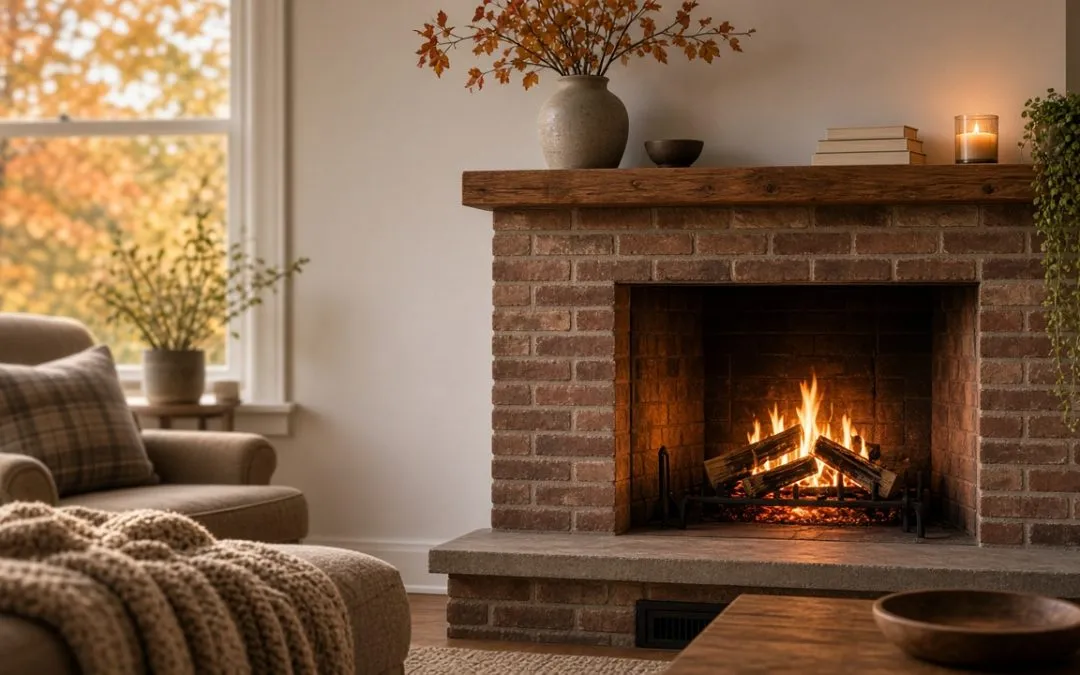
The first cold snap in Minnesota does not wait for your schedule. One evening the wind shifts, the thermostat drops, and suddenly everyone wants a fire. If your fireplace has sat unused since spring, lighting it without a quick readiness check can mean smoke in the living room, a stubborn pilot, or worse—hidden damage that only shows up under heat. A short preseason routine protects your home, your chimney, and the comfort you expect from that first flame.
Why the First Fire Matters More Than the Rest
Creosote, moisture, and nesting debris do not pause for summer. In humid months, damp flue liners and ash left in the firebox can hold odor and accelerate corrosion. Animals and birds sometimes block caps or liners when the chimney looks quiet. The first fire of the season stresses the system: metal expands, masonry heats unevenly, and any blockage forces smoke back into the house.
Treat the first fire as a test run, not a celebration. You want steady draft, clear glass or clean brick faces, and no unusual smells beyond normal startup. If anything feels off—persistent smoke, popping sounds in the wall, or a gas odor that will not clear—stop and troubleshoot before you settle in for the night.
Gas Fireplaces: Checks You Can Do in Twenty Minutes
For direct-vent and natural-draft gas units, start with the obvious. Confirm the gas shutoff is open and the remote or wall switch has fresh batteries. Inspect the glass for cracks or a cloudy seal; a compromised gasket can leak combustion gases into the room. Look at the logs or media for displacement—pets and cleaning can shift materials and block ports.
Light the pilot according to your manufacturer’s instructions. If the pilot will not stay lit, the thermocouple or gas supply may need service; do not bypass safety devices. Once the main burner ignites, flames should be mostly blue with minimal yellow tipping. Roll the fan on if you have one; odd rattles often mean dust on the blower wheel, which is easy to vacuum after the unit cools.
Schedule professional service if you smell gas when the unit is off, if you see soot on gas logs, or if it has been more than a year since a certified technician cleaned and inspected the unit. Minnesota winters run long; a fall tune-up is cheaper than an emergency call in January.
Wood-Burning Fireplaces and Inserts: Chimney and Firebox Basics
Wood systems live and die by draft and cleanliness. From the ground, glance at the chimney cap: is it intact, and is the screen clear? Inside, open the damper fully and shine a light up the flue. You should see daylight at the top without obstructions.
Remove old ash to the metal bucket, not the trash. Check the firebrick or refractory panels for cracks or missing pieces; gaps can let heat reach framing. Burn only seasoned hardwood—wet wood creosote buildup is the leading cause of chimney fires in cold climates.
If you burn more than a few cords per year, or you notice a tar-like glaze inside the flue, book a chimney sweep before the first heavy use. A sweep removes creosote and often spots liner damage, crown cracks, and cap issues that are hard to see from the hearth.
Venting, Carbon Monoxide, and Minnesota Homes
Tight, well-insulated Minnesota homes depend on balanced venting. Running exhaust fans, range hoods, and dryers while starting a fire can pull smoke down the chimney. Crack a window near the fireplace on the first light if draft has been weak in the past.
Install and test carbon monoxide alarms on every level, especially near sleeping areas. Gas and wood appliances both belong on your mental checklist. Replace alarm batteries when you set clocks back in fall—a simple habit that pairs well with fireplace season.
Accessories, Fuel Storage, and Safe Habits
Restock tools: poker, brush, gloves, and a sturdy screen. Store firewood outside and covered, elevated off soil, with a clear path to the door so you are not tracking snow and bark through the house. For gas, keep the area around the valve and vent termination free of snow piles and leaf buildup.
Never leave a fire unattended. Use a metal container for ashes, and let them cool for days before disposal—hidden embers cause garage fires every year in cold states. Keep furniture, holiday décor, and stockings at safe clearances; manufacturers publish minimum distances, and local code may require more.
FAQ
How soon before the first fire should I schedule a chimney sweep?
Aim for early fall, before sweep schedules fill up. September and October appointments in Minnesota often beat the rush that hits after the first hard frost. If you burn daily in winter, midseason checks may also make sense.
Can I clean my own gas fireplace?
Homeowners can vacuum dust from the firebox and glass when the unit is cool and gas is off. Anything involving gas valves, burners, or vent connections should be handled by a qualified technician so warranties and insurance stay intact.
Why does my fireplace smoke only on windy days?
Wind can disrupt draft at the cap or create pressure differences on your roof. A properly sized cap, correct flue height, and sometimes a draft-inducing cap solve many wind-related smoke problems. Persistent issues deserve a professional inspection.
Is it normal to smell gas briefly when lighting a gas fireplace?
A short odor during ignition can happen, but it should disappear within seconds. If you smell gas continuously, shut off the supply, ventilate the room, and call for service before trying again.
What is the safest way to dispose of fireplace ashes in winter?
Place ashes in a metal bucket with a tight lid, store it on a noncombustible surface away from the garage and house, and wait at least several days before bagging. Never vacuum hot ash or dump it into snow where embers can reignite under insulation.