
Introduction
There’s something timeless about a fireplace. For many homeowners, it’s more than just a heat source—it’s a centerpiece, a comfort, and a feature that makes a house feel like home. But if you’re considering installing or upgrading your fireplace, you’ve probably asked the big question: Does it add home value?
The short answer is yes—a fireplace can increase resale appeal and property value. But when it comes to choosing between gas vs. wood fireplaces, the real value lies in what potential buyers want, the lifestyle you’re creating, and how well the fireplace fits your home.
In this article, we’ll break down how both wood and gas fireplaces stack up in terms of resale value, maintenance, installation costs, and buyer preferences. By the end, you’ll know which one makes the most sense for your home—and how Brekke Fireplace Shoppe can help you install the perfect choice.
Understanding “Adds Home Value” in Fireplace Installations
When homeowners talk about adding value, they usually mean two things:
- Financial resale value – the actual price increase you might see when you sell.
- Perceived market value – the way a fireplace makes your home more attractive to buyers.
Studies suggest that homes with fireplaces can sell for up to 13% more than comparable homes without one. However, the impact depends on your region and target buyer. In colder climates, a fireplace is often seen as a necessity; in warmer regions, it’s considered more of a luxury feature.
But here’s the key: value isn’t just measured in dollars. A fireplace adds comfort, ambiance, and lifestyle appeal, which are emotional triggers that sway buyers. That’s why the type of fireplace—wood or gas—matters so much.
Wood Fireplaces: Charm, Tradition, and Value
The Appeal of Wood Fireplaces
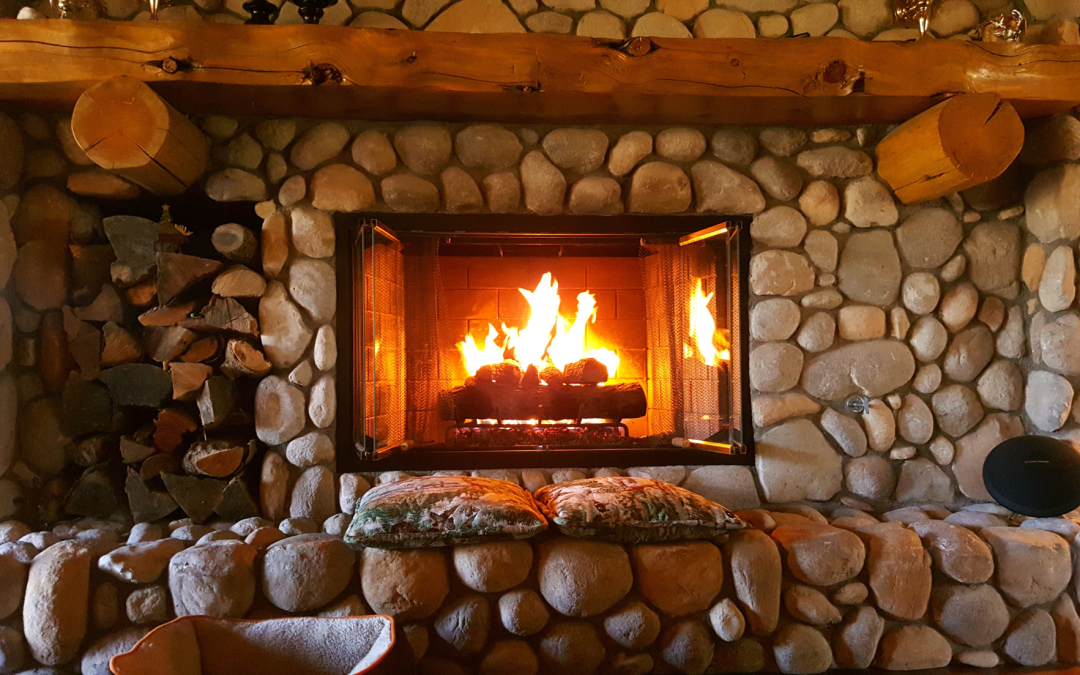
For many buyers, a wood-burning fireplace is the ultimate dream. The crackle of real logs, the natural scent of burning wood, and the authentic warmth create an ambiance no gas unit can fully replicate. They carry a sense of tradition and nostalgia, which appeals strongly to buyers who want that “classic home” feel.
Installation & Costs
Wood fireplaces, however, come with higher installation demands. They typically require:
- A chimney or venting system.
- Professional masonry work.
- Regular chimney inspections and cleaning.
This makes them more expensive upfront, often ranging between $5,000–$10,000+ depending on design and custom work.
Maintenance & Ownership Considerations
Wood fireplaces demand ongoing care: chopping or buying wood, cleaning ashes, and ensuring the chimney is clear of creosote buildup. Insurance premiums may also increase due to fire risk.
Value Contribution
Despite the effort, a wood fireplace adds strong emotional value. Buyers who love tradition are often willing to pay more for a home with a real wood-burning hearth. For rustic-style homes, cabins, or properties in colder climates, wood can be a strong selling point.
Gas Fireplaces: Convenience, Modernity, and Value
The Appeal of Gas Fireplaces
Gas fireplaces are the modern homeowner’s favorite—clean, efficient, and incredibly easy to use. With the flip of a switch or push of a remote, you get instant fire and warmth. No logs, no mess, no smoke.
For busy families or younger buyers, this low-maintenance convenience is a huge draw.
Installation & Costs
Gas fireplaces are generally easier and less expensive to install compared to wood-burning models, especially if you’re adding one to an existing home without a chimney. Direct-vent and ventless models allow more flexibility in placement. Costs usually range from $3,000–$7,000 installed.
Maintenance & Ownership Considerations
Gas fireplaces require very little maintenance—annual inspections and occasional servicing of the gas line or pilot light. They’re also safer, with no sparks, embers, or indoor smoke concerns.
Value Contribution
For resale, gas fireplaces tend to appeal to a broader buyer pool, especially in suburban neighborhoods and newer homes. They’re efficient, practical, and align with modern expectations. Many realtors agree that gas fireplaces add more consistent resale value than wood, because they fit easily into a wide range of lifestyles.
Comparative ROI: Which Fireplace Adds More Home Value?
Here’s where the real comparison matters:
- Resale Value:
- Gas fireplaces may add more reliable value because they appeal to a wider audience.
- Wood fireplaces, while charming, can be seen as high-maintenance and expensive by younger buyers.
- Lifestyle Value:
- Wood brings ambiance and character, making it a statement piece in traditional or luxury homes.
- Gas brings convenience and efficiency, making it highly desirable for practical homeowners.
- Market Impact:
- In luxury or historic homes → wood often wins.
- In modern family homes or condos → gas often wins.
At the end of the day, the best fireplace is the one that matches your home, market, and buyer profile.
Other Considerations for Homeowners
Insurance & Safety
Wood fireplaces can raise insurance premiums due to fire risk, chimney issues, and liability. Gas fireplaces, on the other hand, are generally considered safer and may not affect insurance rates as much.
Environmental & Health Factors
Gas fireplaces burn cleaner, with fewer emissions than wood. Some cities are tightening regulations around wood-burning fireplaces due to air quality concerns. If sustainability matters, gas is often the better choice.
Lifestyle Fit
Ask yourself: Do you love the ritual of stacking logs and tending a fire? Or would you rather press a button and instantly enjoy the glow? Lifestyle preference often determines which fireplace truly adds value to you.
How Brekke Fireplace Shoppe Can Help
At Brekke Fireplace Shoppe, we’ve spent decades helping homeowners find and install the perfect fireplace. Whether you’re drawn to the traditional charm of wood or the modern convenience of gas, we’ll guide you through:
- Personalized consultations to understand your goals.
- Expert installation tailored to your home.
- Ongoing service, maintenance, and safety checks.
- A showroom of fireplace options you can explore in person.
We don’t just sell fireplaces—we help you choose the one that adds warmth, beauty, and real value to your home.
Conclusion: The Right Fireplace for Your Home’s Value
So, which adds more home value—gas or wood?
The answer depends on your priorities:
- If you want charm, tradition, and authenticity, wood is the winner.
- If you want convenience, safety, and broad resale appeal, gas is the smarter choice.
Either way, the investment pays off in comfort, lifestyle, and potential home value.
👉 Ready to find the perfect fireplace for your home? Contact Brekke Fireplace Shoppe today to schedule a consultation or visit our showroom. Let us help you install a fireplace that doesn’t just warm your living room—it warms your home value too.